The Mystery of Feather Plucking
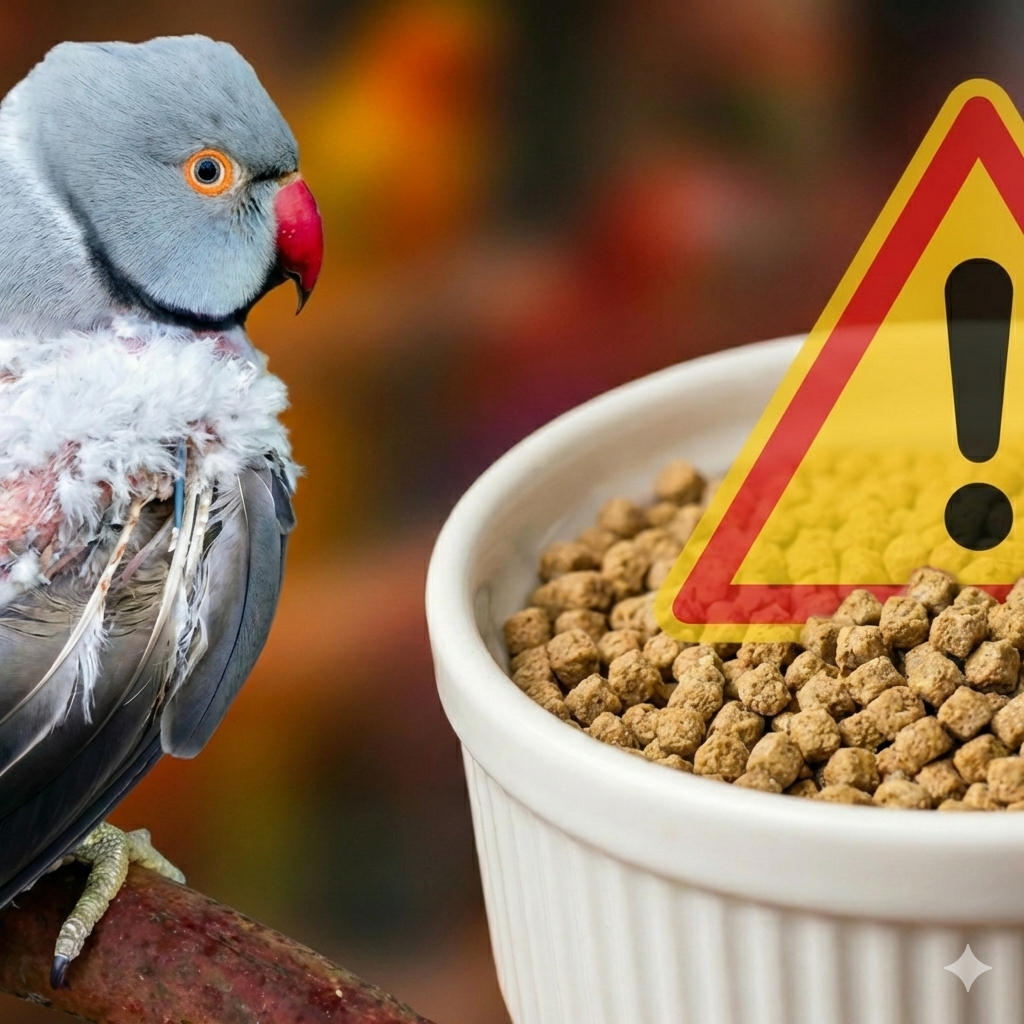
Imagine your parakeet, a true “feathered primate” in terms of intelligence, suddenly starts destroying its own plumage. Certainly, seeing your bird self-mutilate is a devastating scenario. The instinctive reaction is to look for a “skin problem” or parasites, but modern ethological science points us in a deeper direction. Plucking, most of the time, is not a dermatological disease but a symptom of a critical failure in how we feed not only the body but also the brain and the daily time budget of these birds. We are faced with an enigma where diet and time management are the keys to mental sanity.
The Myth of “Nutritional Wisdom”
Many owners believe the fallacy that birds possess an innate “nutritional wisdom,” choosing what they need to be healthy. I’m sorry to tell you, but this is a dangerous myth. A striking example comes from nature: female Kakapos, even during the egg-laying season, choose diets deficient in essential fatty acids even when better options are available.
Birds, like us, are driven by immediate pleasure. While a human has about 9,000 taste buds, a parrot has only around 350. This means that to “taste” flavor, they seek foods with peaks of fat, salt, and crunchy textures—which makes sunflower seeds and peanuts a sensory addiction. By offering a seed mix and letting the bird choose, you are not giving “freedom”; you are allowing it to develop a heart condition; seed- and fat-rich diets are direct precursors to atherosclerosis.
“Psittacines, like humans, do not select foods to promote health, but solely to experience pleasure from consuming them and to follow habits.”
The Time Abyss: 90% vs. 30 Minutes
In the wild, being a parakeet is a full-time job. The difference between the wild routine and life on a domestic perch creates a time vacuum that the bird’s beak tries to fill in self-destructive ways.
Consider the contrast in the time budget:
- The Wild Parakeet: Devotes up to 90% of its active day to foraging and preening. This involves flying kilometers, manipulating complex food with its feet and beak (foot-and-beak manipulation), and exploring the environment.
- The Domestic Parakeet: Receives a highly digestible diet in a clean bowl. The time spent eating plummets to just 30 to 72 minutes per day.
With nothing to search for, manipulate, or peel, the beak—a psittacine’s primary tool for interacting with the world—becomes unemployed. The result? A chronic boredom that consumes the animal’s well-being.
Plucking as “Redirected Foraging”
This is the point where medicine meets psychology: many psychogenic disorders, such as feather plucking and oral stereotypies (incessantly chewing cage bars), are actually redirected foraging behaviors. When the bird is deprived of the “appetitive” phase (the search for food), it redirects this oral need onto its own body.
This perspective shifts the treatment from “medical” to “environmental.” Applying an ointment is not enough; you must give that beak a job. If there is nothing to destroy in the environment, the bird will destroy itself.
Contrafreeloading: The Strange Desire to Work for Food
Science shows us something fascinating: birds exhibit the concept of *contrafreeloading*. They often prefer to work for a reward even when the same food is freely available. In one study, parrots preferred giant pellets (20 to 30 times larger than normal) because it increased oral activity and the satisfaction of manipulating the food. In times of ever-smaller pellets, like minibits, **it becomes necessary to provide strategies** where natural food is no longer just supplementary but plays a more important role.
To save your bird’s feathers, you must make its life intelligently more difficult. Apply these strategies:
- Use pipe feeders or foraging toys that require the bird to solve a puzzle to access the pellet;
- Hide food among wood shavings or inedible materials, forcing the bird to “forage” for its lunch;
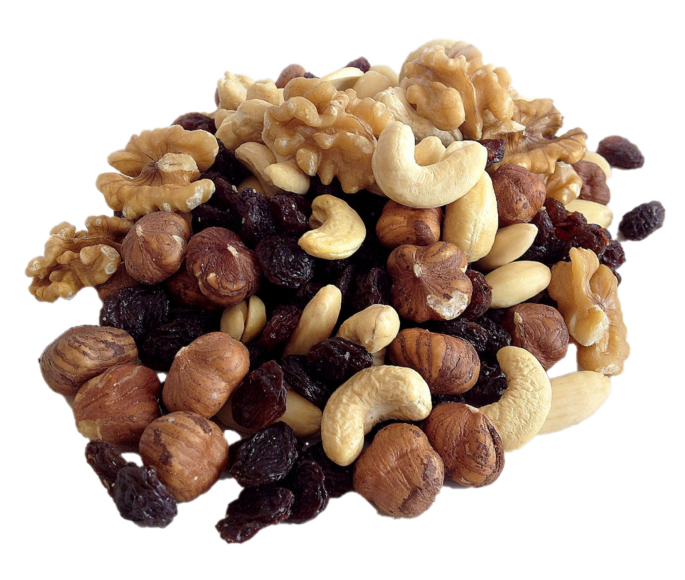
- Offer food in raw, whole, or shell-on forms, requiring the coordinated use of beak and feet to peel and chop;
- Place food bowls as far away from main perches as possible, encouraging movement and exploration of space.
- Introduce natural materials that can be destroyed during the day, such as branches from fruit trees.
The Chemistry of Well-Being: Nutrients and Cognition
Diet does not only impact behavior through boredom; it alters the very biology of the brain. However, the balance is delicate, and excess can be as bad as deficiency.
- Vitamin A and the Risk of Toxicity: Although essential for mucous membranes and vision, excess Vitamin A (often from inappropriate liquid supplementation) is linked to **changes in vocalizations, pancreatitis, and iron storage disease**. Deficiency, on the other hand, causes epithelial metaplasia and pododermatitis. The secret is balance through natural foods, like carrot or spirulina.
- Omega-3 (DHA) and Brain Plasticity: DHA is vital for neurogenesis and protection against oxidative damage in the brain. Although a specific study with cockatiels did not show immediate behavioral changes, the neuroprotective role of these fatty acids is an essential frontier for maintaining cognition in a long-lived animal.
- Carotenoids and World Perception: Present in colorful vegetables, they influence color vision. A diet without carotenoids may alter how a bird sees its environment and social partners, potentially causing stress due to distorted visual perception.
Conclusion: A New Perspective on the Food Bowl
Feeding a hookbill is not an act of charity; it is an intellectual challenge. If we want these “feathered primates” to thrive in our homes, we must stop treating them like sedentary decorations and begin respecting their evolutionary heritage as problem-solvers.
As you prepare the food bowl today, look at it and ask yourself: “If your bird had to choose between a boring bowl full of pellets and a difficult puzzle to get the same meal, have you prepared its mind to prefer the challenge?” Make your bird as independent and active as possible. In the world of psittacines, an occupied beak (whether through a protocol of food enrichment or an environment with items to destroy) is the greatest secret to a sound mind.
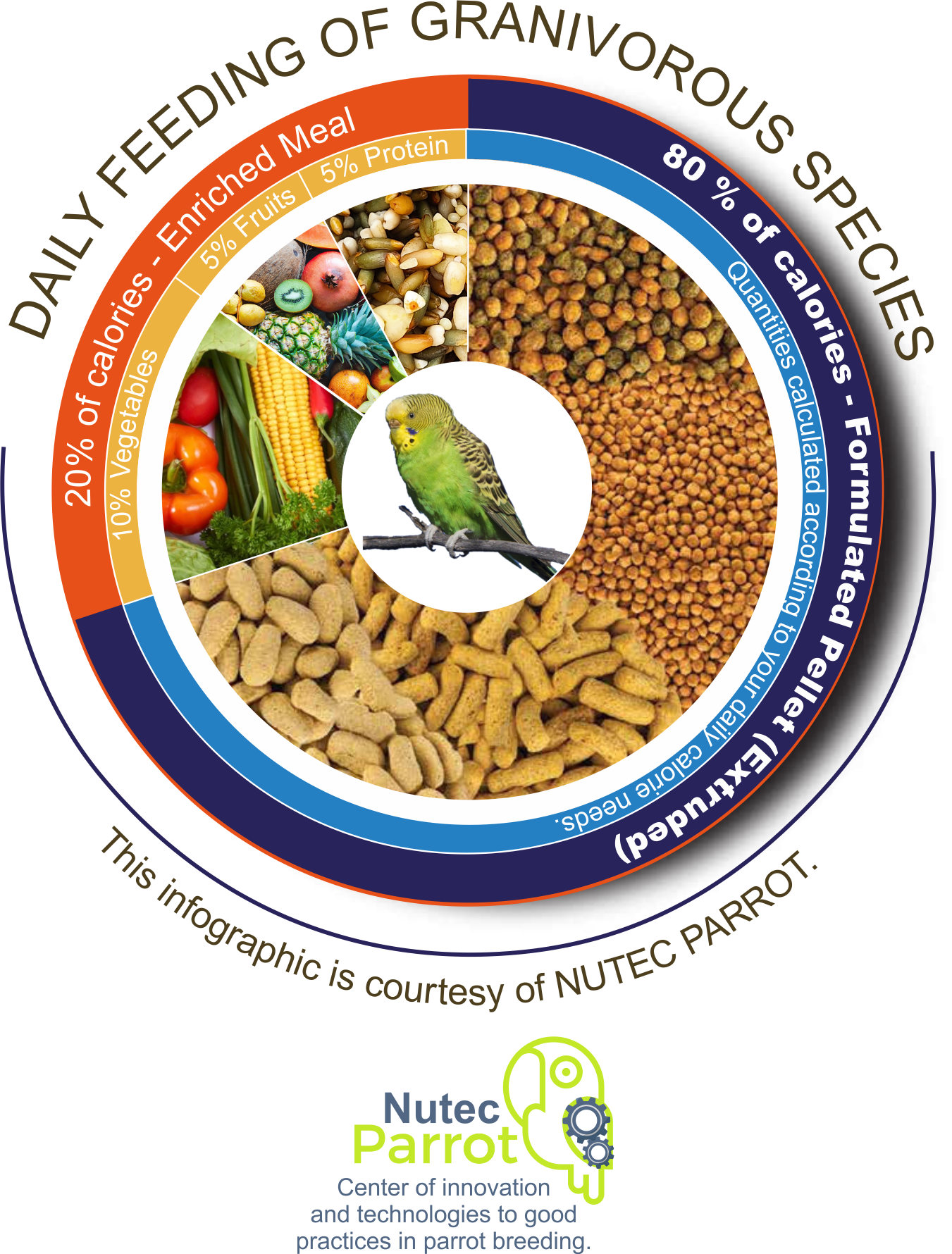
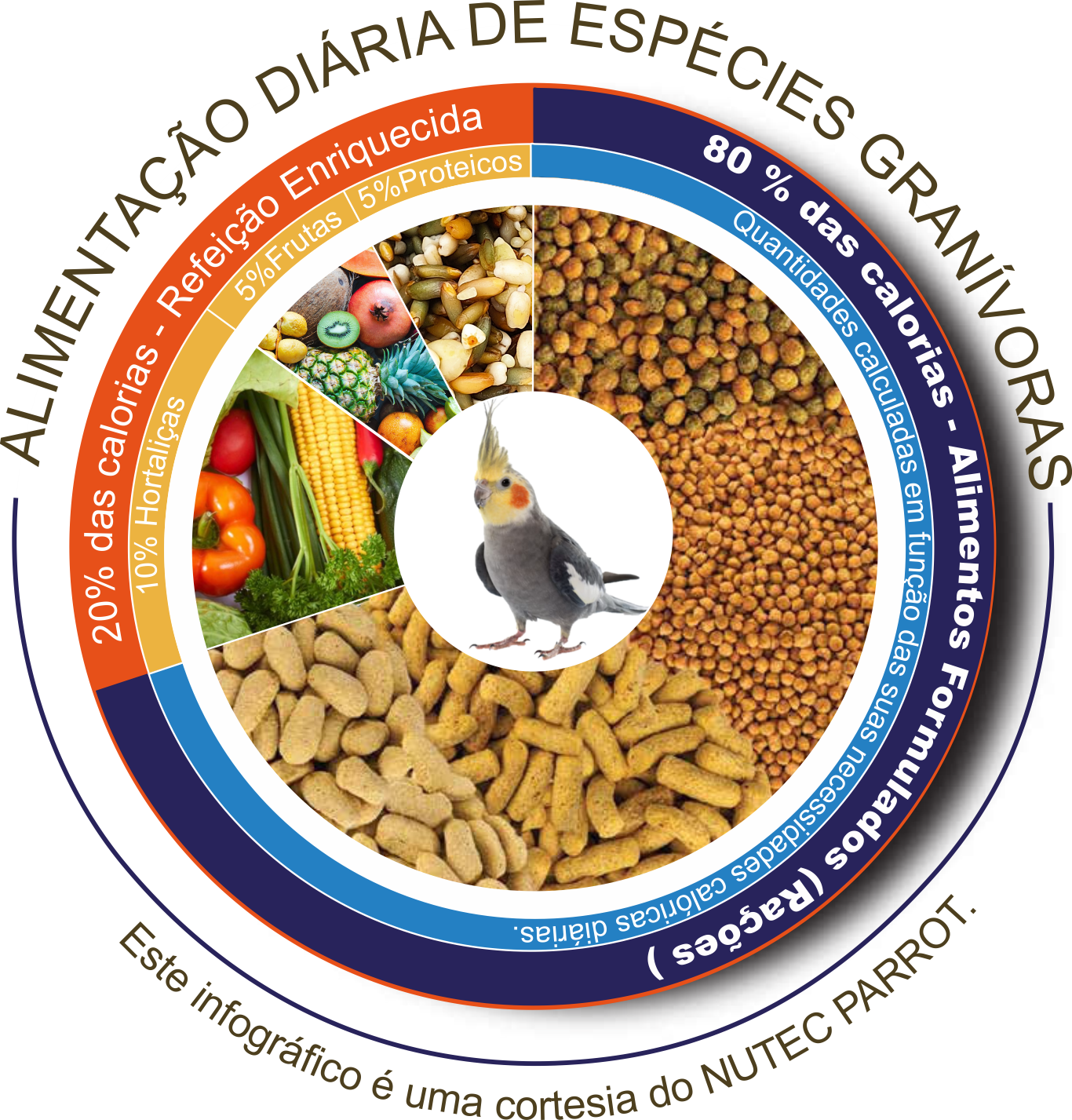
Pellets remain the recommended dietary foundation for your birds, but they cannot be the only option. They solve the nutritional imbalances caused by food selectivity, but they do not stimulate the bird’s instinctive behaviors, such as destroying and foraging. This is why I often say that they nourish the body, but not the mind.
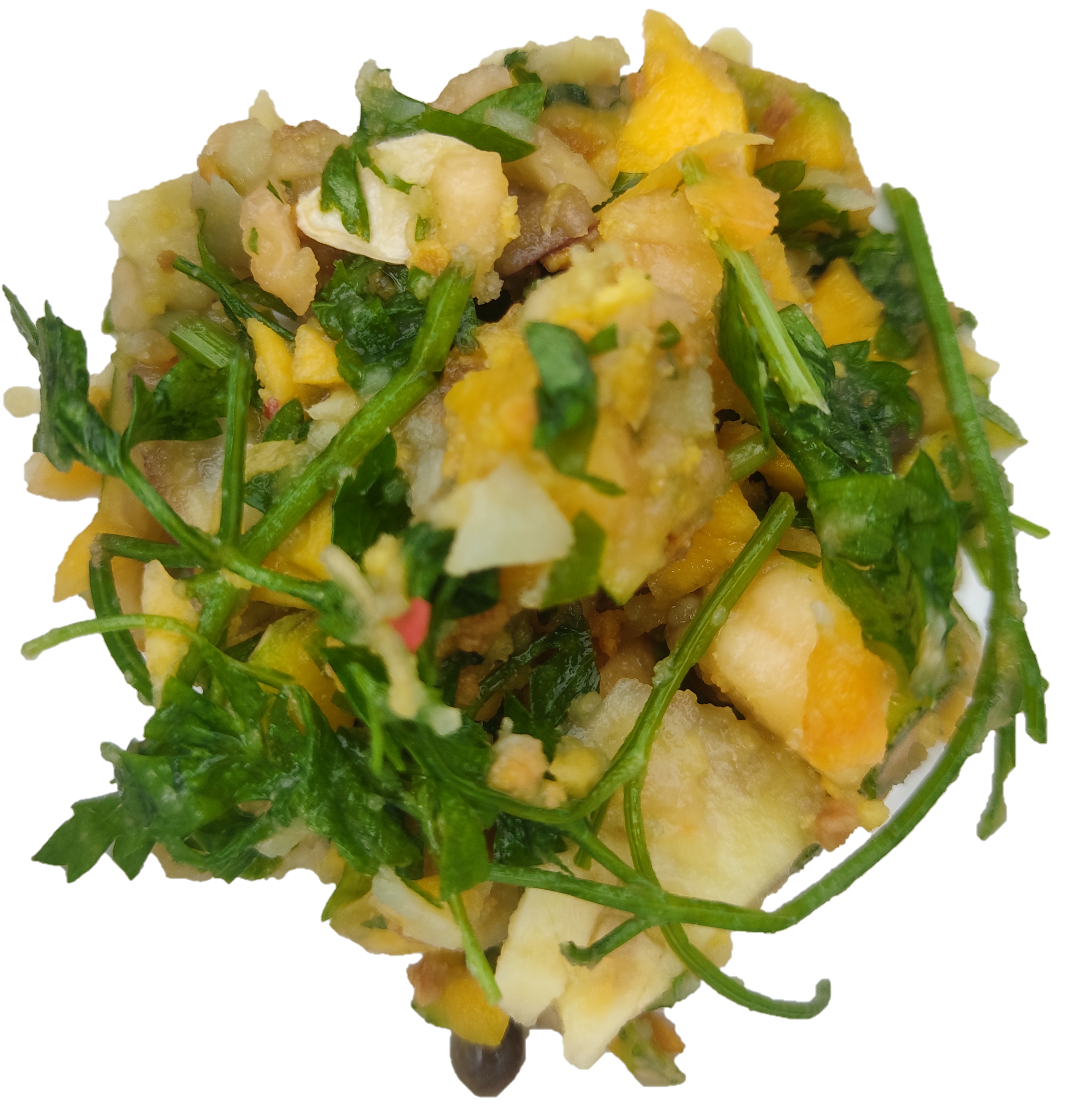
Therefore, food enrichment becomes a powerful weapon against boredom in the cage. However, offering natural foods ad libitum will certainly disrupt the consumption of the main food: the nutritional base, which is extruded pellets. But how to use natural foods correctly, without waste, without harming pellet consumption, or unbalancing the birds’ nutrition? How to offer complementary feeding adequately without compromising the intake of the main food?
To be frank, you don’t need to be a nutrition expert; you need Dietbird. This is the easiest and safest way to implement dietary management that considers natural foods as an important part of your bird’s daily diet, without compromising the consumption of formulated feeds.
DIETBIRD IS THE ONLY SOFTWARE IN THE WORLD SPECIFICALLY FOR PSITTACINES THAT PROVIDES CALCULATED, BALANCED, AND TAILORED DIETS, WITHOUT HAVING TO GIVE UP ANY FOOD. CLICK HERE AND GET STARTED NOW!